Discover our latest news
Tips, deep-dives and product stories to help you plan your week and ship more, with less stress.
Plans worth stealing.

Single-Tasking: Why One Thing Feels Impossible
Single tasking sounds obvious but most people can't do it for 20 minutes. Here's what's actually making it hard, and how to change that.

The Weekly Planning Routine That Survives a Bad Week
A weekly planning routine only works if it survives your worst weeks. Here's how to anchor planning to a habit so it never gets skipped.
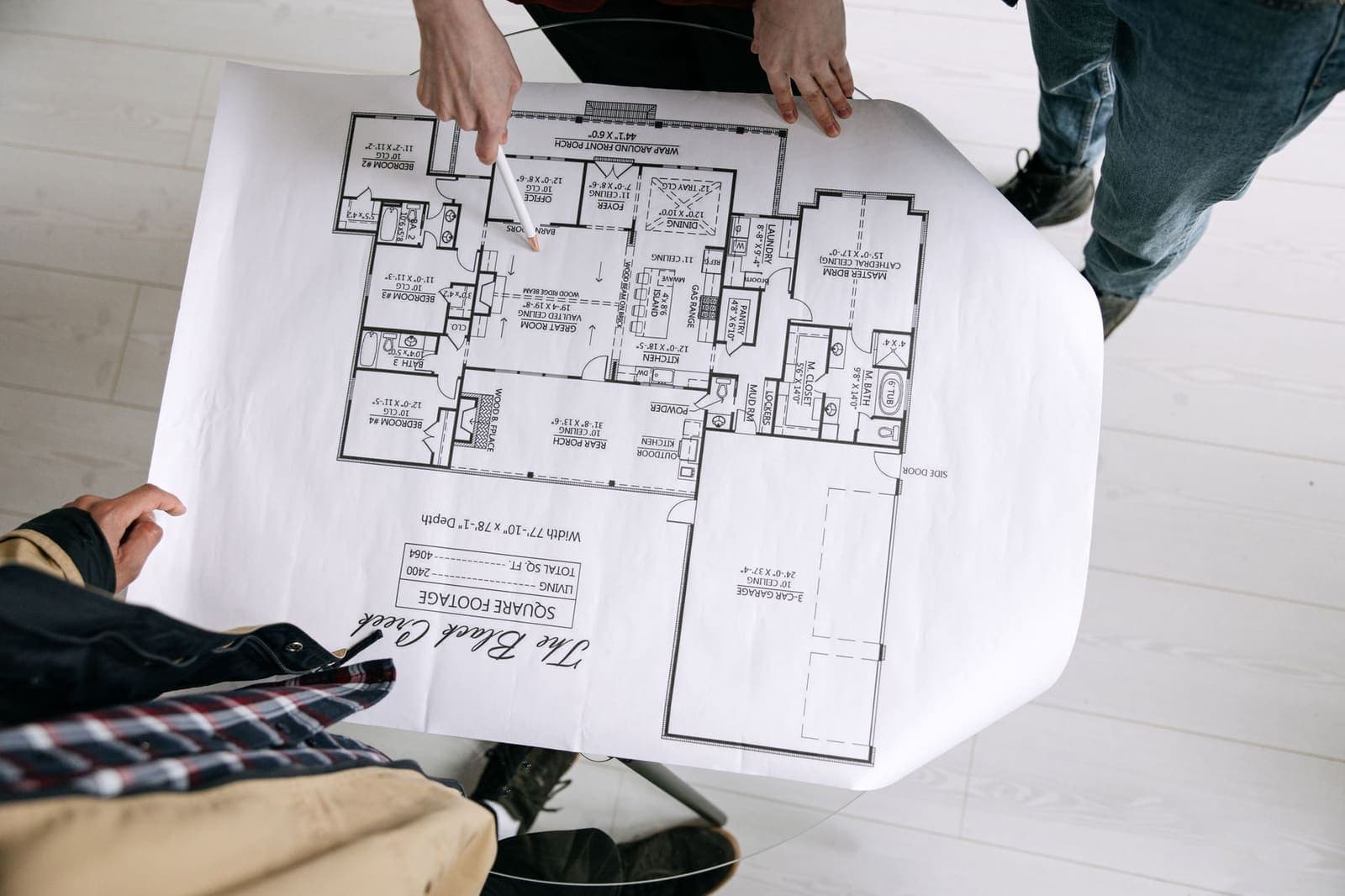
A Gantt Chart for Personal Use, Not Just Projects
Gantt charts aren't only for teams. Learn how to use a gantt chart for personal use to plan renovations, writing, side projects, and life admin.

The 10-Minute Weekly Review That Plans Itself
A quick weekly review ritual that takes under 10 minutes and feeds directly into your next week's plan — no lengthy reflection required.

The Two-Minute Rule: Trick Yourself Into Starting
The two minute rule procrastination hack works by slashing activation cost. Here's how to use it — and when a longer version works better.

Plan at Keyboard Speed With Shortcuts and Cmd-K
Use Weekloom's keyboard shortcuts planner features — cmd-K command palette and g+w/g+d nav — to build and edit your weekly plan without touching the mouse.

How to Get Back on Track After a Week Falls Apart
Getting back on track mid-week doesn't mean starting over. Here's how to replan your week and recover without scrapping everything.

An Exam Study Plan That Beats the All-Nighter
Build an exam study plan that spreads prep across every day you have, so the night before is a calm review, not a desperate sprint.

Task Batching: Do Similar Work in One Sitting
Task batching groups similar work into focused sessions to cut context-switching costs. Here's how to batch your week and actually finish more.

Plan a Whole Semester Without the Last-Minute Panic
Semester planning means mapping every deadline across the full term so nothing sneaks up on you. Here's how to do it in one sitting.

The Pomodoro Technique, Minus the Productivity Cult
The pomodoro technique works — but you don't need a tomato timer or a 25-minute religion. Here's what actually matters about focus sprints.

Plan Your Week in 30 Minutes and Actually Stick to It
Learn how to plan your week in one focused 30-minute ritual: a step-by-step process that creates a realistic, visible plan you'll actually follow.
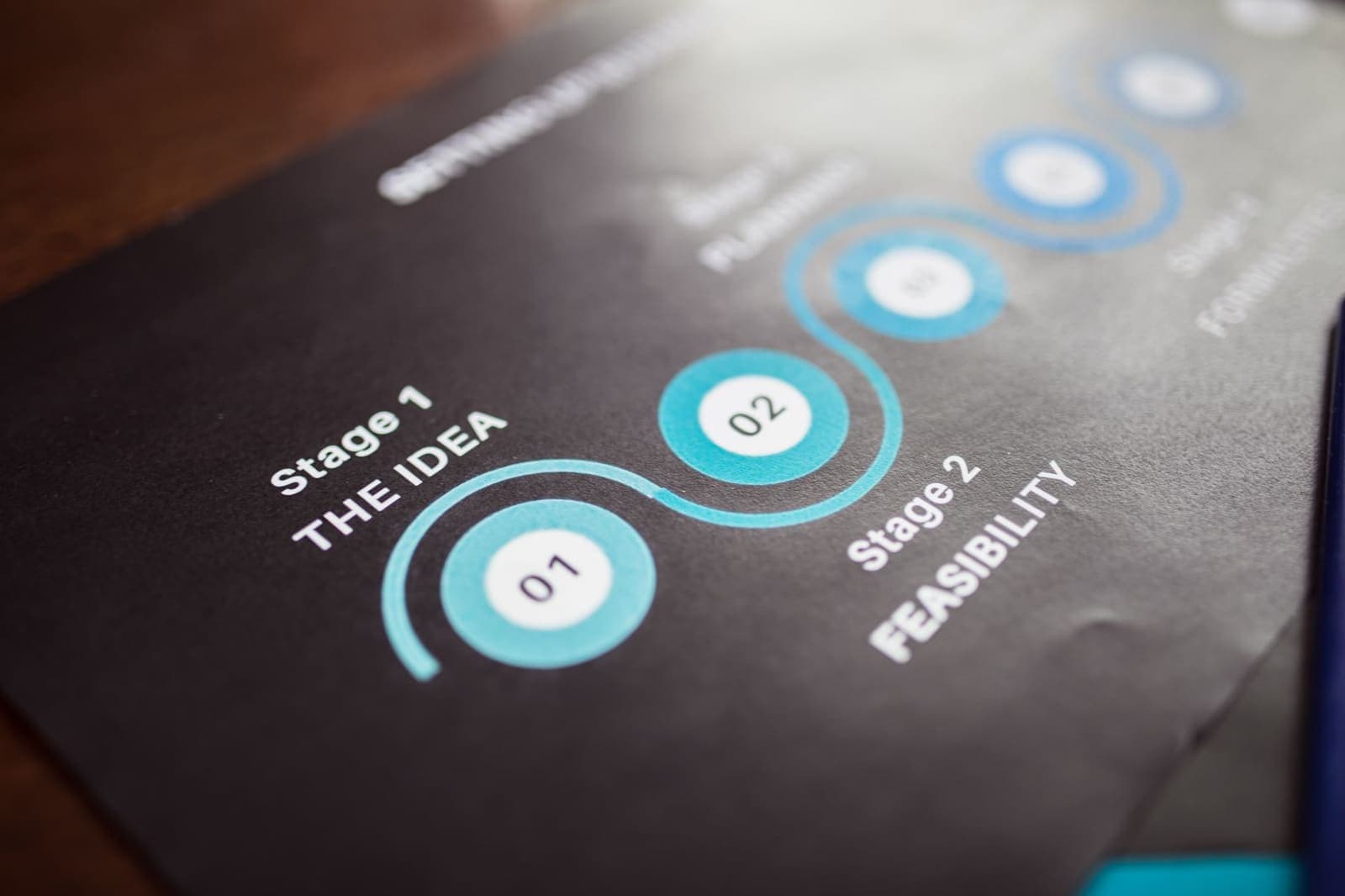
What Is a Gantt Chart? Explained Without the Jargon
What is a Gantt chart, really? A plain explanation of how tasks, timelines, and days fit together — no project management degree required.
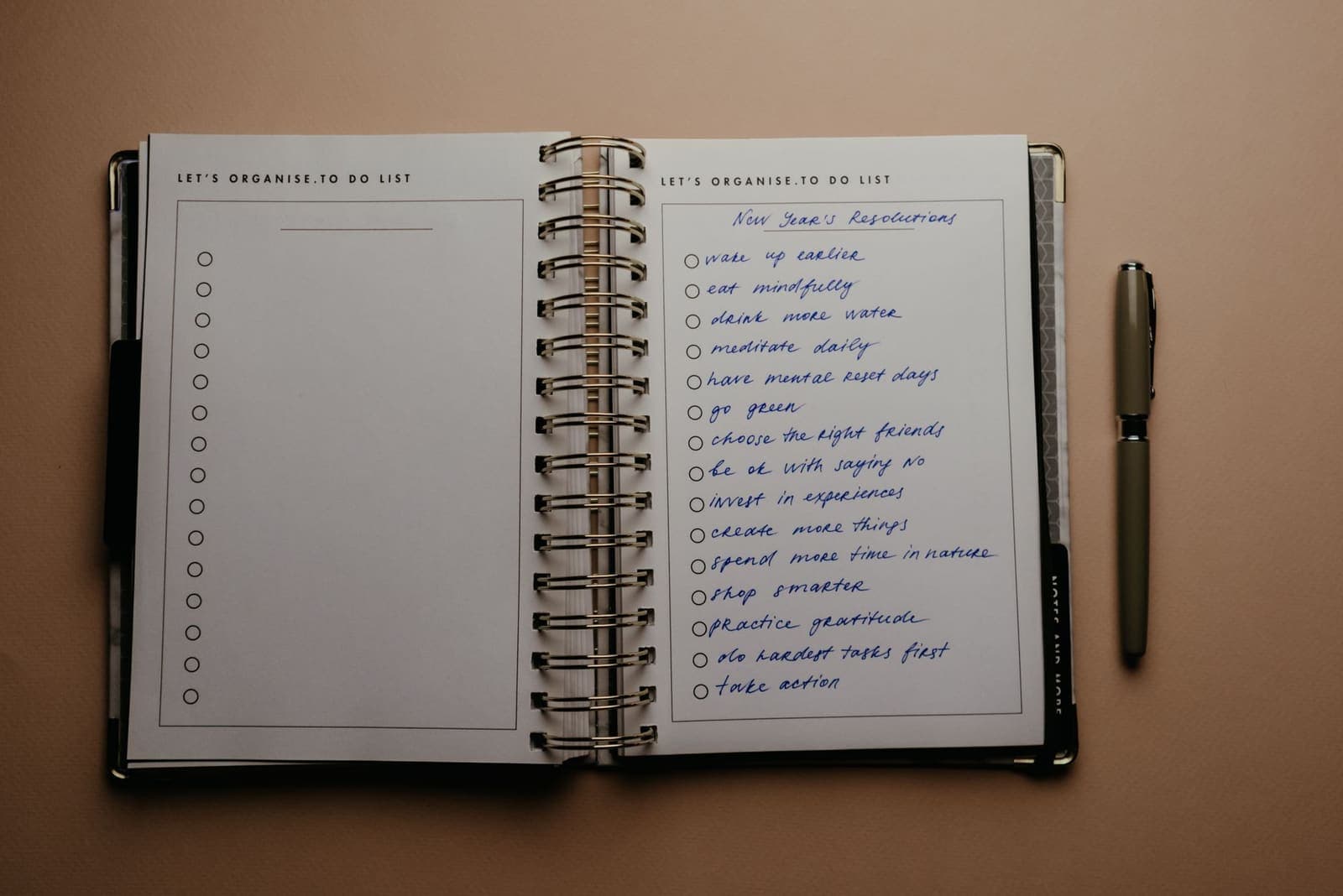
How to Build a Habit That Survives Week Two
Learn how to build a habit that actually sticks using anchoring, cues, and weekly tracking — not motivation or perfect streaks.

How to Stop Procrastinating by Making Tasks Boring
Learn how to stop procrastinating with a simple decomposition trick: make tasks so small and specific they become boring enough to start.
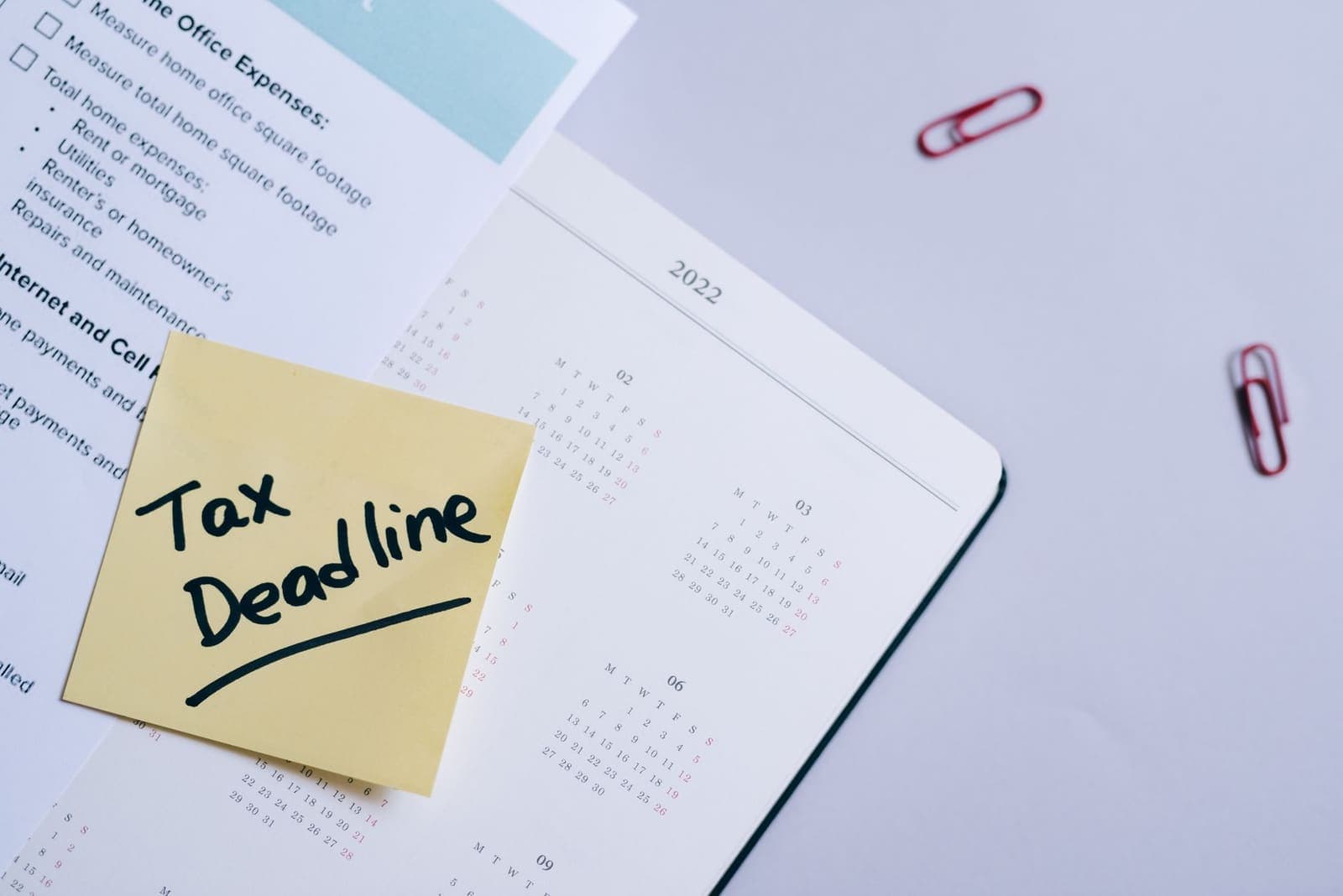
A Deadline Tracker for the Dates You Check Daily
A deadline tracker that shows markers on your Gantt timeline and pins your most-watched dates to a chip rail you can glance at in seconds.

Timeboxing: Box Every Task or It Sprawls
The timeboxing technique puts a hard time limit on every task so it can't creep past its slot. Here's how to make it work.

Daily Focus Mode: Hide the Week, Keep Today
Daily focus mode collapses your planning board to one column: today. Here's why that single toggle changes how you actually work through a busy week.

How to Say No at Work and Protect Your Week
Learning how to say no at work is the skill no one teaches. Here's how to guard your week from over-commitment without burning bridges.

Time Management for Students Who Also Have a Life
Practical time management for students juggling assignments, exams, and a part-time job — without running yourself into the ground.

How to Improve Focus When Everything Interrupts You
Learn how to improve focus by cutting the hidden cost of task-switching. Practical strategies to reduce distractions and build better concentration.

Try a Gantt Chart With No Signup, No Account, No Catch
Test a full gantt chart no signup required — Weekloom's demo mode loads a real board instantly so you can plan before you commit.

Too Much to Do? Cut Overwhelm Down to Today
Learn how to deal with overwhelm by turning a wall of tasks into a short, doable list for today. Practical steps that actually work.

Turn Yearly Goals Into What You Do This Week
Learn how to convert a yearly goals weekly plan into concrete actions — so January's resolutions still show up in June's schedule.

ADHD Planning: Make Time You Can Actually See
ADHD planning works best when time is visible, not abstract. Here's how visual, flexible planning tools work with your brain instead of against it.

How to Set Goals You Won't Abandon by February
Learn how to set goals that stick past the first rush of motivation — by turning vague intentions into scheduled, trackable weekly steps.
Time Blocking vs To-Do List: Why Lists Lose
Time blocking vs to-do list: why a schedule consistently beats a menu of tasks, and what to do when your list keeps languishing.

Organize Tasks Into Groups Your Eye Can Scan
Learn how to organize tasks into groups using color-coded, collapsible blocks — so a busy weekly plan stays readable at a glance.

Plan Around Your Energy, Not Just the Clock
Energy management productivity means matching your hardest work to peak hours. Here's how to stop fighting your biology and plan around how you actually feel.

A Daily Planning Routine You Can Do Before Coffee
A simple daily planning routine that takes five minutes, sets your intention for the day, and stops the morning from running away with you.

Deep Work: How to Defend a Few Real Focus Hours
Deep work sessions are rare and fragile. Here's how to design your week around long, uninterrupted focus blocks that actually survive the day.

A Customizable Planner App Without the Settings Maze
A customizable planner app should feel like yours in two minutes, not two hours. Here's how Weekloom's accent colors, fonts, and dark mode actually work.

Time Blindness: Why Tomorrow Always Feels Far Away
Time blindness makes deadlines feel distant until they're not. Learn why your brain lies about time and how a visual schedule fixes it.

A Shared Planning Board You Can Both Edit Live
A shared planning board lets two people plan together without emailing drafts back and forth. Here's how live presence and chat keep you in sync.

How to Avoid Burnout by Planning In Rest
Learn how to avoid burnout by building rest, buffers, and realistic limits into your weekly plan before exhaustion sets in.

Solo Founder Productivity Without Jira or Standups
Solo founder productivity doesn't need sprints or a PM. Here's how to see your near-term roadmap and actually ship, week after week.

The Eisenhower Matrix Without the Corporate Theater
The Eisenhower Matrix separates urgent from important tasks — here's how to use it without the consulting jargon or color-coded workshops.
Time Blocking: What It Is and Why People Quit It
What is time blocking and why does it keep falling apart? A plain look at the method, the real reasons it fails, and how to make it stick.

The Trick to Big Tasks: Break Them Into Steps
Learn how breaking tasks into steps turns overwhelming work into concrete daily actions you can actually check off and finish on time.
Weekly vs Daily Planning: When to Zoom In or Out
Weekly vs daily planning: learn when to look at the full week and when to narrow down to today so nothing slips and nothing gets over-scheduled.

Why Your To-Do List Keeps Quietly Failing You
Why to-do lists fail isn't about willpower — it's a structural flaw. Lists have no time dimension, so tasks pile up and nothing moves.

Planning a Side Project Around a 9-to-5
Planning a side project alongside a full-time job is hard. Here's how to carve out consistent progress from genuinely limited nights and weekends.

How to Make a To-Do List That Fits Real Days
Learn how to build a realistic to-do list sized to your actual hours — not the optimistic ones — so tasks stop rolling over endlessly.

How to Break Down Big Tasks Without Freezing Up
Learn how to break down big tasks into daily, checkable steps so daunting projects stop stalling and progress becomes visible every week.

Plan Like a Spreadsheet: Copy, Paste, Drag-Select
A copy paste task planner that works like a spreadsheet — shift-click ranges, drag-select cells, and duplicate steps across your whole week in seconds.

Digital vs Paper Planner: An Honest 2026 Take
The digital vs paper planner debate never dies. Here's a blunt comparison of what each actually does well in 2026 and how to stop switching between them.

Time Management for Freelancers Juggling Five Clients
Time management for freelancers gets complicated fast when clients multiply. Here's how to plan across several projects without dropping any.

How to Prioritize Tasks When All of Them Feel Urgent
Learn how to prioritize tasks when your list is screaming at you. A lightweight triage method for weeks where everything feels like a fire.

Sunday Planning: Beat Monday Before It Starts
Sunday planning turns Monday from a scramble into a standing start. Here's a simple approach to front-loading your week in under 30 minutes.
Why Your Week Belongs on a Personal Gantt Chart
A personal Gantt chart maps tasks against days so you can see your whole week at once — here's why it beats a flat to-do list every time.